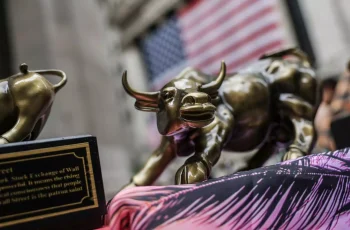
The recent surge in the stock market, highlighted by the S&P 500 reaching an impressive peak of 6,600.21, paints an enticing picture of unyielding economic growth. Investors are often lured by such highs, believing that this continuous upward trajectory indicates sustainable progress. However, beneath this facade of confidence lies a precarious reality: numerous stocks are perched in overbought territory, primed for a significant correction. The prevailing euphoria in the marketplace frequently overlooks the fundamental disconnect between stock prices and their intrinsic values, echoing patterns seen in speculative bubbles throughout history. The current market rally, largely driven by expectations of Federal Reserve rate cuts and favorable macroeconomic indicators, conceals an underlying overexposure that could unravel quickly.

The Overbought Dilemma and Its Oscillations
Analyzing the market through technical indicators reveals a concerning trend of overheating. Tools such as the Relative Strength Index (RSI) indicate that many stocks, including Tesla and Micron Technology, are trading at unsustainable levels, with RSIs of 75.6 and 81.2, respectively. These figures reflect how investor sentiment has inflated stock prices far beyond what is justified by actual earnings or growth potential. For instance, Tesla’s recent price surge, spurred by Elon Musk’s controversial compensation proposal, showcases a valuation that stretches beyond rational metrics. Similarly, Micron’s remarkable 20% weekly increase—the highest since March 2020—signals not only confidence but also an overheated speculative environment. Such technical overextensions serve as critical warning signs: these stocks have surged too quickly and are vulnerable to rapid corrections as investors reassess their risk tolerance.
The Risks of Overconfidence and the Consequent Drop
Market optimism can easily morph into overconfidence, leading investors to pursue gains without adequately considering underlying vulnerabilities. As stocks become increasingly overbought, the opportunity for profit-taking diminishes. This scenario raises the risk of mass de-risking, where a few profit-taking transactions can trigger a broader sell-off. When the market collectively recognizes the overvaluation—whether through technical signals or shifts in macroeconomic conditions—sharp declines can become unavoidable. Importantly, such corrections are not necessarily catastrophic; rather, they can act as a necessary reset, bringing valuations back in line with more reasonable expectations and preventing the emergence of an even larger bubble. Nevertheless, for traders heavily leveraged in their positions, the repercussions of a sudden downturn could be severe.
The Broader Implications for Investors and Policy
From a prudent investment perspective, the current market environment emphasizes the need for disciplined investing and a healthy skepticism towards unfounded exuberance. While accommodative monetary policy has propelled this rally, it simultaneously distorts risk assessments and fosters a climate of reckless complacency. Investors and policymakers must pay close attention to the warning signs of overextension, prioritizing sustainable growth over fleeting gains. In the quest for quick profits, many fail to recognize the potential fallout, which can swiftly destabilize the economy.
The implications of an overleveraged market extend beyond individual investors. Policymakers should consider the consequences of prolonged easy monetary policies, which can lead to asset bubbles and financial instability. By fostering an environment where risk is mispriced, the economy becomes more susceptible to shocks that can trigger widespread market corrections. A balanced approach that emphasizes long-term stability over short-term gains is crucial for safeguarding economic health.
Strategies for Navigating the Current Landscape
Investors should adopt strategies that focus on fundamental analysis rather than speculative trends. This involves scrutinizing a company’s financial health, growth prospects, and market position before making investment decisions. Diversification across sectors can also mitigate risks associated with overexposure to a single industry or stock. By spreading investments across various asset classes, investors can better weather potential downturns.
Additionally, maintaining a cash reserve allows investors to capitalize on opportunities that may arise during market corrections. This strategy not only provides liquidity but also enables investors to purchase undervalued assets when prices drop. Furthermore, employing stop-loss orders can help limit losses in the event of a sudden market downturn, providing a safety net for those heavily invested in overbought stocks.
Conclusion: A Call for Caution
In conclusion, while the allure of the current stock market rally is undeniable, investors must remain vigilant and cautious. The combination of overbought conditions, technical indicators signaling potential corrections, and the risks associated with overconfidence creates a complex landscape that demands careful navigation. By prioritizing disciplined investing, focusing on fundamentals, and recognizing the signs of market overheating, investors can better position themselves to withstand potential downturns.
Ultimately, the goal should be to foster a sustainable investment strategy that emphasizes long-term growth and stability, rather than succumbing to the temptations of short-lived gains. As history has shown, the consequences of irrational exuberance can be severe, and a measured approach is essential for safeguarding both individual portfolios and the broader economy.