Fast-Food Breakfasts Losing Ground
For decades, quick-service restaurants built their morning dominance on speed, low cost, and predictable menu items. Chains like McDonald’s, Burger King, and Wendy’s once attracted millions of early-morning customers daily. However, recent data reveals a steady decline in breakfast traffic. In some regions, visits to fast-food chains during morning hours have dropped by as much as eight percent in a single quarter. Consumers, facing rising menu prices and tighter household budgets, increasingly prepare meals at home or explore alternative options perceived as fresher, healthier, and better value. Standardized, pre-assembled fast-food breakfasts no longer guarantee loyalty in a market where consumers demand both variety and quality.
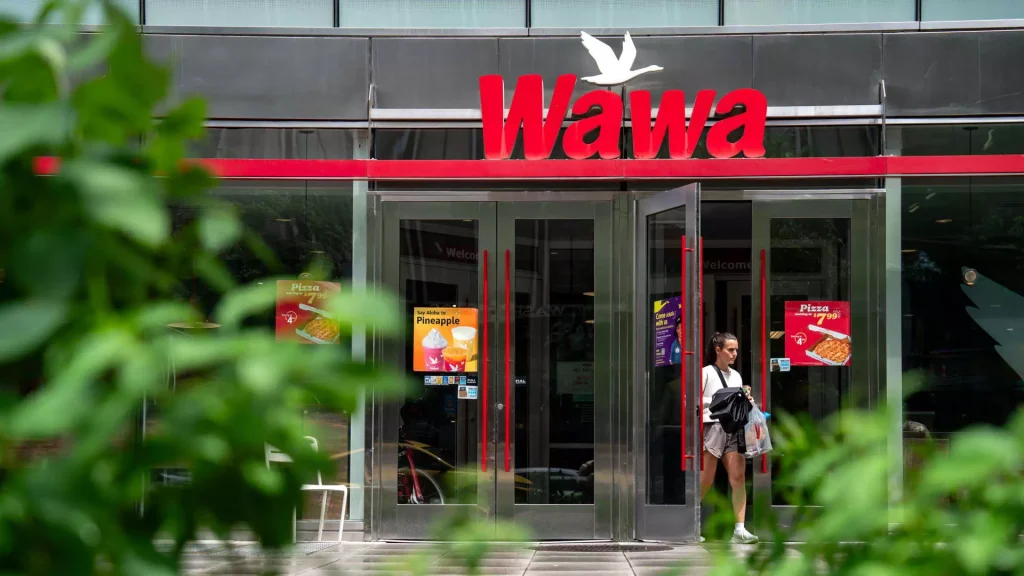
The Rise of Food-Forward Convenience Stores
Modern convenience stores have evolved far beyond coffee and snacks, emerging as strong competitors in the breakfast market. Brands such as Wawa, Sheetz, and Buc-ee’s now offer made-to-order sandwiches, breakfast burritos, smoothie bowls, energy drinks, and even breakfast pizza. These stores combine grocery-like flexibility with quick-service speed, providing commuters with convenient, satisfying choices. Many have reported significant growth in customer traffic in recent years, demonstrating that this shift is not a temporary trend. Convenience stores attract consumers seeking meals that feel fresher, more customizable, and more aligned with modern dietary preferences.
Economic Pressures Driving Behavior
Economic factors play a major role in this shift. Inflation, rising food costs, and cautious household spending have made consumers more selective about morning meals. Convenience stores are perceived to offer greater value for money, delivering fresher ingredients, wider menus, and customizable options. Even small differences in perceived freshness and quality can influence repeat behavior. Consumers increasingly choose c-stores because they provide both affordability and variety, giving shoppers the sense that they are getting more for their money compared to traditional fast-food options.
Health and Cultural Shifts
Cultural trends further accelerate the move toward convenience stores. Today’s consumers are more focused on health, ingredient transparency, and meal authenticity. Fast-food breakfasts, often relying on pre-assembled, standardized items, struggle to meet these expectations. In contrast, convenience stores showcase visible preparation areas, freshly prepared sandwiches, grab-and-go salads, and beverage options that feel wholesome. Customization and choice allow customers to tailor meals to personal preferences, making the breakfast experience feel closer to homemade than the standardized fast-food alternatives.
Operational Flexibility as an Advantage
Convenience stores benefit from operational advantages that fast-food chains often lack. Unlike franchised QSRs, c-stores can quickly introduce new menu items, test regional specials, and adapt layouts to highlight freshly prepared foods. Lean staffing models and smaller store footprints allow them to maintain cost efficiency while ensuring product freshness. Rapid menu iteration enables c-stores to respond to consumer trends and scale popular items more effectively than many traditional fast-food operators.
Can Fast-Food Chains Regain Momentum?
Fast-food chains are experimenting with strategies to recover morning market share. Digital ordering, enhanced drive-thru efficiency, meal bundles, and healthier menu items are among the initiatives designed to attract modern consumers. Some brands are also expanding delivery and mobile ordering services. However, these steps are often incremental. Without substantive improvements in freshness, menu variety, and perceived value, traditional chains risk continuing to lose ground to convenience stores that have already raised consumer expectations.
The Road Ahead for the Breakfast Market
The breakfast landscape will likely remain competitive and fragmented. Some consumers will continue to favor iconic fast-food items, but a growing segment prefers the flexible, fresh, and convenient offerings of c-stores. Success in the morning market will hinge on a brand’s ability to combine speed, customization, freshness, and affordability. Fast-food chains must innovate to remain relevant and align with changing consumer priorities that emphasize wellness, variety, and convenience.
Conclusion: Winning the New Breakfast Battle
The shift toward convenience stores underscores how breakfast is no longer just a quick meal—it has become a reflection of consumer priorities. Shoppers now value freshness, customization, and perceived value above mere speed. Convenience stores are excelling by offering meals that meet these demands while providing the convenience of a one-stop shopping experience. Fast-food chains can still compete, but only by embracing innovation, investing in fresh-prep offerings, and clearly communicating value. In today’s market, the morning meal is no longer just about filling a stomach—it is a statement of convenience, quality, and choice, and those who understand this new reality will define the future of breakfast.