In the modern airline industry, where profit margins remain thin and competition is fierce, carriers are increasingly targeting affluent frequent flyers instead of casual travelers. These high-value customers provide stable revenue through premium cabins, exclusive lounges, and high-tier loyalty programs. By prioritizing this segment, airlines are transforming air travel from an accessible service into a system of privilege, raising critical questions about fairness, accessibility, and the long-term sustainability of such strategies.
The Emergence of Premium Loyalty Programs
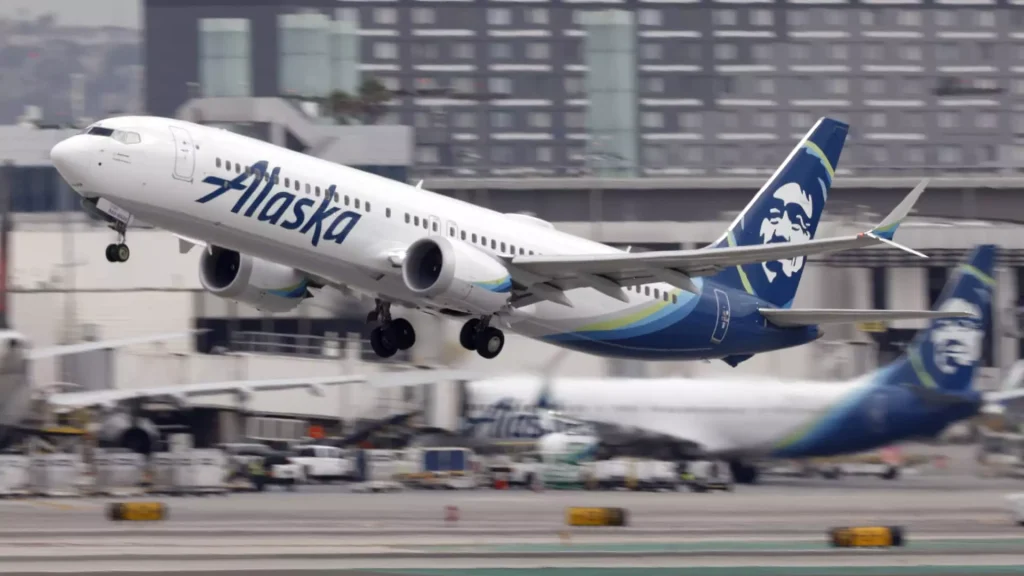
Alaska Airlines’ Atmos Rewards Summit Visa Infinite card exemplifies this trend. With a \$395 annual fee and a tiered loyalty program, the airline is clearly aiming at wealthy customers willing to pay for luxury perks. The program is carefully structured to appeal to different traveler categories—international business flyers, premium cabin enthusiasts, and frequent short-haul travelers—indicating a deliberate strategy to capture elite loyalty rather than broaden accessibility.
Across the industry, loyalty thresholds are steadily rising. For example, Atmos Platinum now requires 80,000 points and Atmos Titanium 135,000, up from previous levels. These changes are deliberate: they reinforce exclusivity, turning loyalty into a commodity that only the most financially capable travelers can attain. Such high thresholds encourage ongoing spending among a select few, while casual travelers find themselves effectively locked out of premium benefits.
Luxury as a Strategic Tool
For airlines, fostering luxury is more than a service enhancement—it is a survival strategy. Lounges, priority boarding, and upgraded in-flight amenities are increasingly used to secure the loyalty of high-value customers. Alaska’s expansion of specialized lounges in hubs like Seattle and San Diego demonstrates how airlines invest in creating a seamless, comfortable experience for top-tier travelers, insulating them from congestion and inconvenience that ordinary passengers face.
This approach is grounded in sound economics. Premium flyers generate the most reliable revenue streams and are less affected by economic downturns compared to budget travelers. Amenities such as multiple lounge guest passes, Starlink Wi-Fi, and enhanced in-flight services are not mere luxuries—they are strategic investments designed to maintain long-term loyalty among affluent passengers who view air travel as a status symbol.
The Risk of a Two-Tier System
However, the emphasis on exclusivity introduces a growing divide in air travel. By increasing point thresholds and fees, airlines exclude casual travelers, creating an “insider economy” where only the wealthy enjoy optimal service. While budget passengers can still access affordable fares, the gap in comfort, convenience, and perks continues to widen. Travel is gradually becoming less of a shared experience and more of a privilege reserved for those who can afford elite status.
This divide has broader implications for society. Air travel has historically functioned as a tool for connection, enabling work, family visits, and cultural exchange. If airlines continue to prioritize only affluent passengers, they risk diminishing the social value of aviation. This evolution effectively transforms travel into a luxury good, reducing accessibility for the majority who depend on it as a necessity rather than a luxury.
Industry Competition and the Luxury Arms Race
Competition further accelerates this trend. As one airline raises loyalty thresholds or expands premium offerings, competitors respond with similar enhancements, fueling an arms race for exclusivity. Even budget carriers increasingly adopt premium add-ons to attract high-value customers. While this may boost short-term profits, it also risks alienating the wider passenger base, potentially limiting overall growth. Over-reliance on affluent travelers leaves airlines vulnerable to economic shifts that could reduce discretionary travel.
Moreover, these strategies contribute to rising costs across the industry. High annual fees, elite thresholds, and luxury perks encourage continuous spending from a small segment, yet they make air travel less attainable for average consumers. Over time, this can suppress demand and threaten the industry’s long-term stability, highlighting the inherent tension between profit maximization and accessibility.
Balancing Profit and Inclusivity
Airlines’ pursuit of elite wealth is a calculated gamble. Premium strategies can strengthen financial resilience, but they risk alienating the broader customer base that sustains the industry. The challenge lies in balancing profitability with inclusivity—ensuring that luxury offerings coexist with affordable access. Responsible management and thoughtful regulation may help prevent air travel from becoming an experience only for the wealthy.
Ultimately, the future of aviation depends on this balance. Loyalty programs and exclusive amenities must retain value for high-spending passengers without undermining the accessibility and connectivity that define modern air travel. Otherwise, airlines risk creating a system where travel is no longer a shared privilege but a gated experience for a wealthy few.
By carefully aligning luxury strategies with broader accessibility, the industry can maintain financial health while preserving the democratic nature of air travel, ensuring that the skies remain open to all.