In recent years, Chinese technology companies have emerged as significant players in the global artificial intelligence (AI) landscape. Traditionally dominated by Silicon Valley, the AI sector is witnessing a shift as mainland firms like Alibaba and Tencent make strategic moves that challenge Western dominance. While analysts often label these companies as “AI enablers,” this perspective frequently overlooks the underlying vulnerabilities and political risks that accompany their rapid growth. The developments in this sector are not just about technological advancements; they also represent a complex geopolitical landscape.
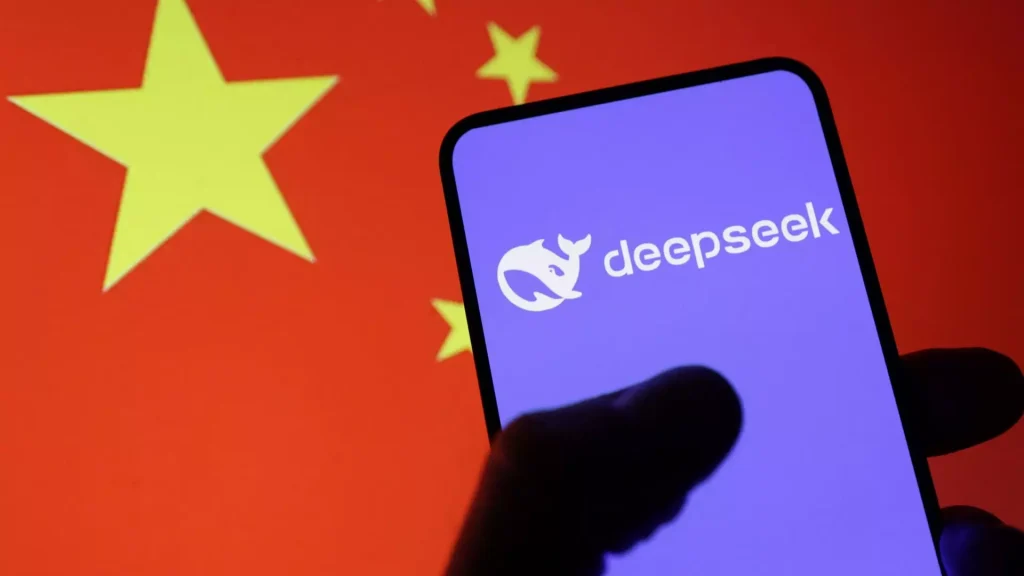
Surge in AI Investments
The surge in AI investments from Chinese tech giants underscores their ambition to create a robust AI ecosystem. Companies like Alibaba have ramped up capital expenditures significantly, while Tencent is aggressively investing in AI technologies. This strategic push aims to leverage their extensive user bases and proprietary hardware to shield themselves from external restrictions, particularly U.S. export controls. However, this confidence is built on a precarious foundation, as these companies still rely on imported chips and face an uncertain regulatory environment.
From a conservative perspective, there is skepticism regarding the sustainability of these investments. Are these financial commitments genuinely viable, or do they reflect an overestimation of China’s AI capabilities? The risk exists that the ambitions driving China’s AI sector may be inflated, potentially leading to overinvestment and disillusionment if geopolitical tensions escalate.
Analyzing Alibaba and Tencent’s Moves
Analysts’ endorsements of Alibaba and Tencent as leaders in Chinese AI carry a cautiously optimistic tone. However, it is essential to recognize that these companies operate diversified portfolios. For Alibaba, AI is just one segment among many, including e-commerce and cloud computing. While their AI initiatives receive increased funding, they are not the core of Alibaba’s business model. Similarly, Tencent’s primary interests lie in gaming and social media, with AI serving as an enhancement rather than a central focus.
This diversification offers both advantages and potential drawbacks. While it provides a safety net against market fluctuations, it also distances their AI initiatives from achieving full commercial maturity. Increased capital spending may indicate confidence, but it could also signal a race to secure market positioning before competitors or regulatory challenges undermine their advantages. Additionally, the Chinese government’s regulatory environment remains unpredictable, a factor that analysts often downplay. Historical patterns show that when regulators tighten oversight, companies like Alibaba and Tencent may face constraints that could undermine their AI aspirations.
Risks of Overdependence
A critical aspect often overlooked in optimistic assessments of Chinese tech firms is their effort to reduce dependence on imported chips, especially from the United States. While companies like Alibaba and Tencent emphasize their chip stockpiles and alternative inference chip options, this strategy may only serve as a temporary fix. The global chip shortage and ongoing U.S. sanctions pose significant challenges, and there is a real risk that China’s AI advancements could stall if international restrictions intensify.
The narrative surrounding the technological arms race presents a conflicting picture: while Chinese firms tout their innovation capabilities, their progress is still heavily reliant on external hardware suppliers. Even if they manage to alleviate some of their dependence temporarily, the long-term independence of their AI initiatives remains questionable. Should the U.S. or its allies escalate restrictions, these companies could find their AI development severely hampered, exposing vulnerabilities in their supply chains.
Political and Economic Implications
While market observers may focus on the immediate financial benefits of Alibaba and Tencent’s AI investments, the geopolitical ramifications are much more profound. A significant enhancement in domestic AI capabilities signals China’s intent to achieve technological sovereignty and challenge the dominance of Western firms and regulations. This shift could lead to a new wave of tech nationalism, further entrenching divisions and complicating international collaboration in AI research and development.
From a pragmatic viewpoint, this situation underscores the dangers of overconfidence. The bullish narratives surrounding Chinese AI giants often overlook the potential for geopolitical disruptions, which could significantly hinder their scaling efforts and diminish their competitive advantages on the global stage.
In conclusion, the strategic moves by Chinese tech giants illustrate the critical role of AI in contemporary geopolitics. They represent a nationalistic drive for technological independence that, if successful, could reshape the global balance of power. However, this trajectory is fraught with caution; overreach, regulatory challenges, and external sanctions could derail these ambitions. As the global AI landscape evolves, stakeholders must remain vigilant, recognizing both the potential and the risks inherent in this rapidly changing environment.